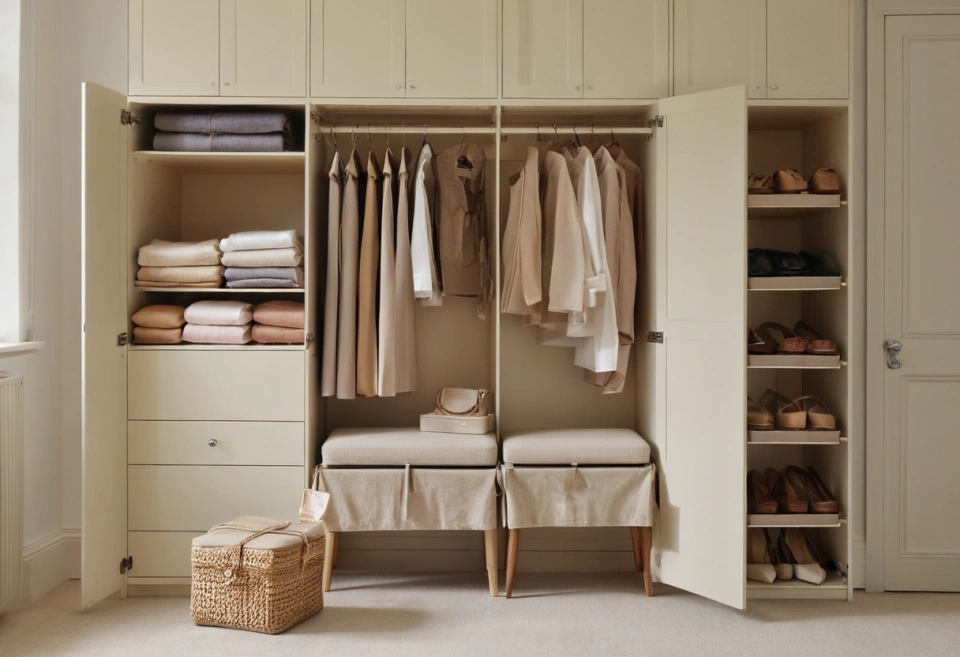
Rotating bags between the hot and cooler months in the UAE
Twice a year, most wardrobes here need the same small operation: the summer carriers come down, the leather comes out of the dark, and everything is checked on the way past. Here is how to do it without losing an afternoon or a shoulder strap.
Most homes here keep more bags than they use in any one season. Canvas carriers do the beach and the supermarket through the long hot stretch, while the structured leather sits unused until the evenings turn pleasant. This is for anyone whose good bags spend half the year on a high shelf: what belongs in deeper storage, how to prepare a bag for months up there, and how to keep a record so nothing is forgotten behind a winter coat.
What goes deep, and what stays within reach
The split is simpler than it looks. Anything you have not carried since the weather changed is a candidate for the high shelf. Anything you reach for weekly stays at eye level or lower, because a bag that needs a stool to fetch slowly stops being used.
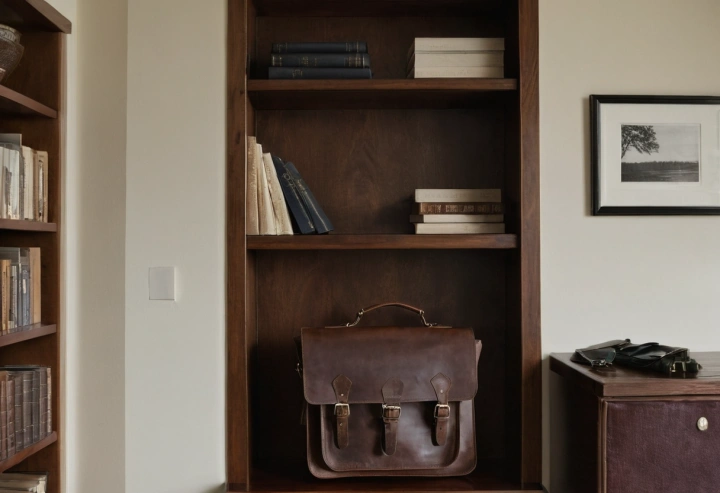
Into deeper storage go the pieces that dislike heat and handling: smooth and grained calf leather, suede and nubuck, anything with a stiffened base or a moulded flap, woven and beaded evening bags, and pale leathers that mark if they rub against denim. Structured shoulder bags and top handle styles hold their shape best undisturbed, which makes them natural candidates for a long rest rather than a crowded daily rail.
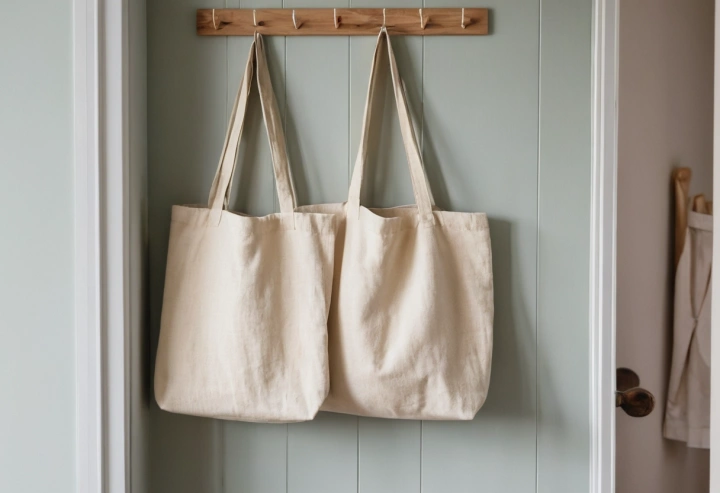
Staying out: the everyday tote, the crossbody you wear at weekends, the flat nylon or canvas bag that folds into a suitcase. If your daily carrier has no fixed home, settle that first, because a settled landing place for the bag you use every day does more for the state of your collection than any amount of clever shelving.
One caution specific to the UAE. Air conditioning runs for months, then stops for weeks at a time in rooms nobody uses. A spare bedroom or a store cupboard that is cool in August can be warm and still in October. Choose a shelf in a room that stays lived in, not the one that happens to be empty.
Where the high shelf actually works
Height is fine. Heat, damp and pressure are not. The worst spots in a wardrobe are the floor near an exterior wall, the panel above a window, and any corner that shares a wall with a bathroom or a kitchen. Warm surfaces and trapped moisture turn a stored bag sticky or spotted, and neither announces itself until you open the dust bag.
Aim for a shelf in the middle of the wardrobe, a hand’s width clear of the back panel, with a little space between neighbours so air can move. Bags stand upright, never stacked leather on leather, and never hanging by their handles for months, which stretches the anchor points quietly and permanently. Boxes are fine if they breathe; sealed plastic tubs are not, because they hold whatever humidity went in with the bag.
If the shelf is genuinely awkward to reach, put the lightest and least fragile things there and keep the heavier structured pieces on a mid shelf you can service without balancing. A steady step stool left in the dressing room is not a confession of poor planning. It is the reason the rotation happens twice a year instead of never. For the wider layout question, our guide to storing a handbag collection at home covers shelf spacing and zoning in more detail.
Preparing a bag for months in the dark
Start by emptying it properly. Turn the bag out over a table rather than shaking it upside down, and check the pockets, the base seams and any slip pocket for receipts, pens, lip balm, sunscreen sachets and the loose biscuit that always seems to be there. Sunscreen and hand cream are the two things that ruin linings during storage, because they soften in warmth and migrate.
Wipe the exterior with a dry, soft cloth. Brush suede gently with a proper brush and leave it at that. Condition smooth leather sparingly, only if it feels dry, and let it absorb fully before the bag goes anywhere near fabric; excess product sitting on the surface for months attracts dust and leaves a dull film. Fabric carriers can be washed if they need it, but they must be bone dry before storage, and canvas and cotton totes have their own rules about washing and drying that are worth following rather than guessing.
Then fill. Not tightly, and not with newspaper, which transfers ink and pulls moisture unevenly. Use acid free tissue, a clean cotton pillow insert or an old washed T shirt, shaped to support the base and the corners without pushing the sides outward. The aim is the bag’s natural silhouette, not a bulge. Soft totes want less filling than you think, and the difference between slouchy and structured is set out in our piece on storing tote bags so they keep their shape.
Straps and chains go inside the bag, loosely coiled, never wrapped around the body and never left dangling where they press a dent into the leather. Long chains benefit from a fold of tissue between the links and the bag’s surface, as covered in storing crossbody bags with long straps and chains. Wrap buckles, feet and zips in tissue so metal does not sit against leather or against a neighbouring bag for half a year.
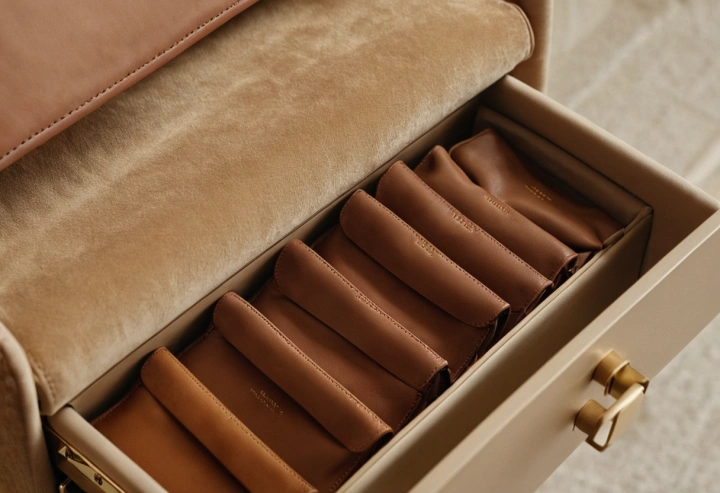
Finish with a breathable cotton dust bag, the one that came with it if you kept it, or plain unbleached cotton otherwise. No plastic bags, no cling film, no vacuum compression. Stuffing a bag flat to save space is the single most expensive shortcut in this whole operation.
A simple inventory that survives the season
Memory is unreliable across six months, and a bag you cannot find is a bag you do not use. The inventory needs to be short enough that you will keep it current.
For each bag, note:
- A plain name you would recognise, such as black grained shoulder bag or straw market tote.
- Where it lives: wardrobe, shelf, position from the left.
- What is inside it, including the pouch, strap or dust bag stored within.
- Its condition on the day it went up, with any existing mark described honestly.
- The date you last checked it.
That is all. A notebook on the dressing table works, a note on your phone works, and a photograph of each shelf taken after the rotation works better than either, because it shows what is actually there rather than what you meant to put there. Label the outside of boxes in pencil on a tie on tag, not on the bag itself, and keep the labels facing out so you can read the shelf without lifting anything down.
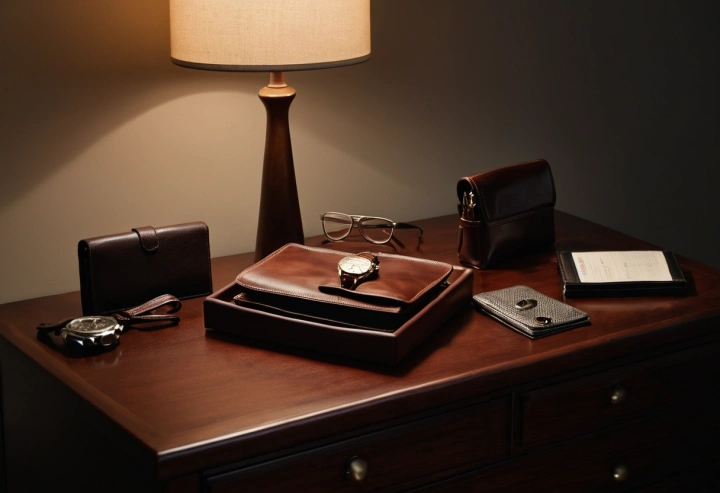
If several people share the wardrobe, agree the naming out loud once. Two inventories describing the same bag differently is how duplicates and lost straps begin. The same logic applies to men’s bags kept in a shared wardrobe or study, where briefcases and backpacks tend to absorb chargers and cables that then vanish for a season.
Checking in, and bringing bags back down
Stored does not mean sealed away and forgotten. Look in on the high shelf once midway through the hot months, ideally when you are already changing bedding or swapping clothes, and open a couple of dust bags at random. You are checking for a sour or musty smell, any tide mark on the lining, tackiness on coated canvas or leather trim, pale bloom on darker leather, and small dark specks in seams. Any of those means the shelf is too warm, too still or too close to moisture, and the answer is to move the bags rather than add more products.
When the cooler months arrive, bring things down in stages. Empty the filling, let the bag stand open in a cool room for a day so trapped air can clear, then look at the base corners and the handle anchors before you load it with your usual cargo. Leather that has rested wants a gentle reintroduction, not a full week of shopping on the first afternoon.
Give each returning bag a wipe, a fresh check of the strap and a new line in the inventory. Anything you did not miss and did not carry tells you something useful about how much shelf space it deserves next year.
Your next step
Pick the coming weekend and do one shelf, not the whole wardrobe. Take everything down, empty and wipe each bag, refill it lightly, tuck the straps inside, wrap the hardware and return it upright in cotton with a label facing out. Photograph the finished shelf and write the five lines for each bag while you are still standing there. That single shelf becomes the pattern for the rest, and next season the whole rotation takes an hour instead of a day.
- Words
- Rail & Shelf editors
- Published
- Section
- Bag Storage
- Standards
- Editorial policy · Corrections