Gym bags and damp kit: where they should live at home
A carryall full of yesterday's workout clothes will quietly scent everything hanging beside it. Here is a drying spot, a laundry rhythm and an odour routine that keep the wardrobe out of it.
This is for anyone whose gym bag lives on a wardrobe shelf, under a dressing table or on the floor of a closed dressing room, and for households where several people train and only one empties their bag. The problem is narrow and fixable: damp fabric shut inside a coated holdall, parked next to clean clothes, in a home where the air conditioning has already pulled most of the moisture out of every other room. What follows is a place for the bag, a way to dry kit quickly, a wash routine that removes smell rather than covering it, and a storage plan that keeps a much loved carryall looking like a bag rather than a bin liner.
Why a closed bag turns sour so quickly
Sweat itself is close to odourless. The smell arrives when skin bacteria work on what is left behind in the fabric, and they need warmth, moisture and time. A gym bag hands them all three. Polyester and elastane hold body oils far more readily than cotton does, which is why a workout top can smell within minutes of warming up even after a proper wash. Add a rolled towel, a damp swimsuit and a pair of trainers, zip the whole thing shut, and leave it in a hall that stays warm for most of the year. By morning the bag has its own atmosphere.
The wardrobe makes it worse rather than better. A closed wardrobe is a small, still, dark space with almost no air exchange, and the fabrics inside are excellent at absorbing whatever is in that air. Wool and cashmere take up odour particularly willingly. Leather does too, and holds on to it. One neglected holdall on the top shelf can make a whole rail of clean clothes smell faintly of a changing room, and no amount of cedar or scented sachets will win that fight. The answer is not more fragrance. It is keeping the source somewhere else.
Give the bag a home outside the wardrobe
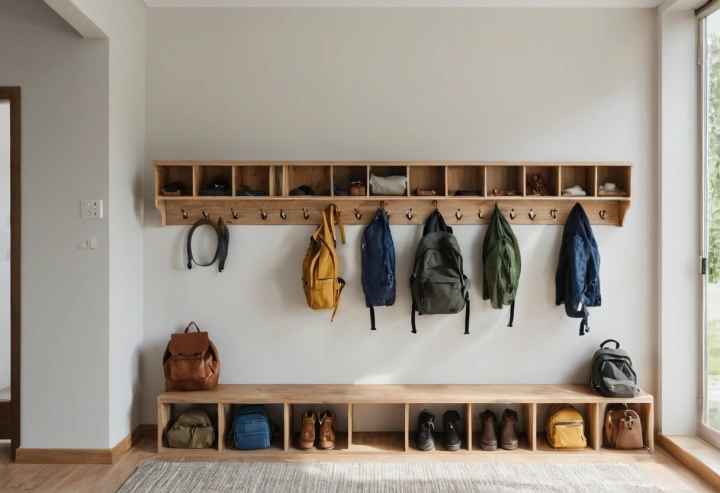
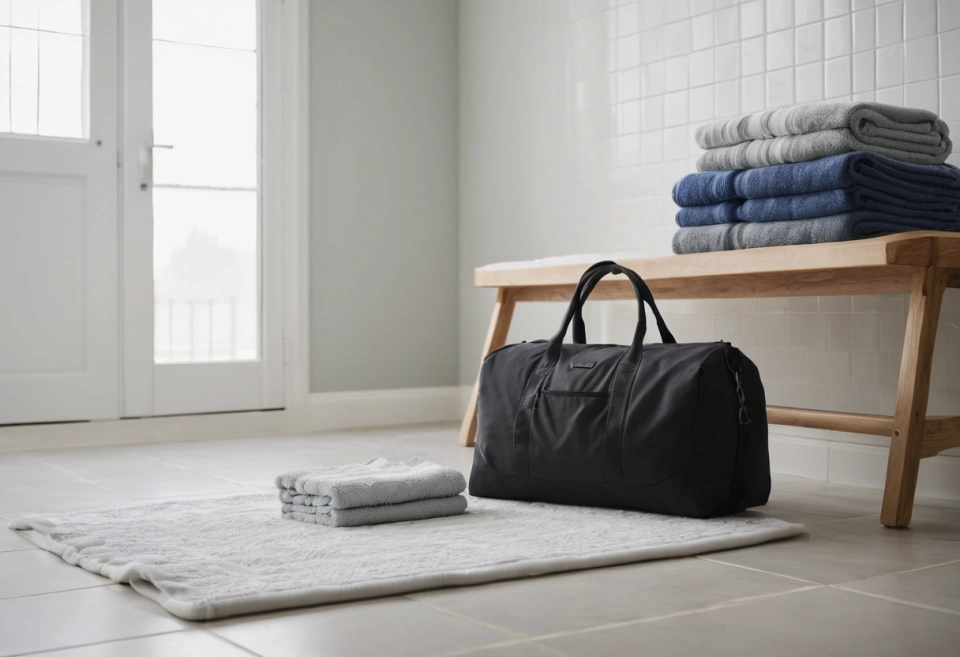
Decide where the bag lives before anything else. The best spot has moving air, a wipeable surface underneath and no clean clothes within arm’s reach. In an apartment that usually means a hook in the entry, a bench in the utility area, or a low shelf in the laundry cupboard with the door left ajar. In a villa, a shaded spot in the garage or a covered service corridor works well, provided the summer air does not sit hot and still there all afternoon.
What matters is the habit attached to the place. The bag comes home, goes to its spot, and gets emptied there rather than carried into the bedroom. If everyone in the house trains, give each person their own hook rather than a shared pile, because a shared pile is how one forgotten swimsuit ends up scenting four bags. Our guide to a family drop zone near the door sets out the same logic for school and sports backpacks, and the two systems can share a wall happily.
Avoid the balcony as a permanent home. Direct sun here fades nylon, chalks coated canvas and dries out leather trim until it cracks at the folds. Airing in shade for an hour is useful. Living outdoors from May onwards is not.
The first hour after you get home
Most gym bag smell is preventable in the time it takes to make a cup of tea. Unzip everything, take everything out, and open the bag rather than leaving it slumped in a heap.
- Turn the bag inside out if the lining allows it, and wipe the base with a barely damp cloth.
- Hang the workout clothes over a rail or a door rather than dropping them in the basket still rolled together.
- Spread the towel flat, ideally somewhere with a fan or an open window nearby.
- Pull the trainer insoles out and stand the shoes on their sides, toes up.
- Leave the water bottle open and upside down on the draining rack, lid off.
- Rinse the damp swimsuit in cool water straight away, then hang it.
Airflow does more than heat. A ceiling fan on low, or a small clip fan pointed into an open holdall, will dry a lining faster than a warm closed room ever will. If the utility room has an extractor, use it. Kit that is genuinely dry within a few hours rarely develops a smell at all, and dry kit can wait for laundry day without complaint.
A laundry routine that removes smell rather than perfumes it
Sports fabric needs a different wash from towels and bedding. Detergent residue and fabric softener both coat synthetic fibres, trapping the oils you were trying to remove and dulling the wicking finish. That coating is why some workout clothes smell clean out of the machine and rank halfway through a session.
Wash cool, following the care label, and use less detergent than instinct suggests rather than more. Skip softener entirely on anything stretchy or technical. Turn garments inside out so the water reaches the side that touched your skin. An extra rinse cycle earns its place here. If your machine has a sport or quick wash setting, check the temperature rather than assuming, since some run warm enough to set odour into elastane.
For kit that already carries a persistent smell, a long soak in cool water with an oxygen based powder before washing does more good than a hot wash. White vinegar in the rinse compartment helps with mild build up, though it will not rescue a garment repeatedly tumble dried on high heat. Never put anything away slightly damp. In a humid week, a folded stack of nearly dry leggings in a closed drawer will smell of very little for a day and then of quite a lot.
Keep gym loads separate from towels, and keep both away from anything wool or silk. Wash the bag itself only when the label says you can, and otherwise stick to wiping and airing.
Odour control without the perfume aisle
Once the moisture is gone, most smell goes with it. What remains usually lives in the lining seams and the base corners, where sweat and spilled protein shake collect. Wipe those with a cloth wrung out in plain water, then in a little diluted vinegar, then let the bag dry open before closing it.
For ongoing maintenance, an open box of bicarbonate of soda sitting in the bottom of the empty bag absorbs quietly and costs almost nothing. Activated charcoal pouches do the same job with less mess, provided you reactivate them in sunlight now and then. Cedar blocks are pleasant but mask rather than remove, and they belong with knitwear, not with a holdall.
Two things to avoid. Scented sprays layered over an unwashed lining simply produce a sweeter version of the same problem. And sealed plastic storage boxes, which feel tidy, are the worst possible container for anything that has ever been damp. If a bag must be boxed for a season, use breathable fabric and make sure it is bone dry first.
Looking after a women’s gym carryall as a bag, not just a kit sack
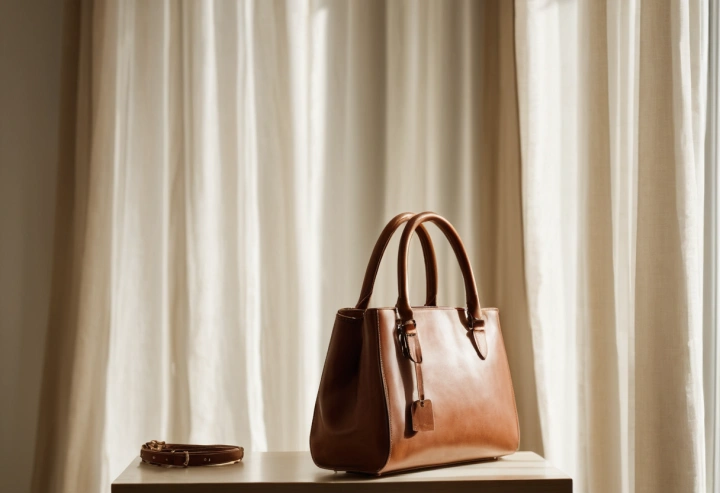
A good carryall is often the hardest working bag in the house, and it deserves the same thought you would give a handbag. Structured styles with a firm base panel and reinforced handles hold their shape for years if stored upright and lightly filled, not crushed flat under other bags. Soft nylon holdalls fold down easily, which is convenient and also how creases become permanent. Our notes on storing tote bags so they keep their shape apply almost unchanged: fill the body loosely with acid free tissue or a clean cotton pillowcase, keep the handles upright, and never hang a heavy bag by its straps for months on end.
Watch the trim. Many carryalls have leather handles, a leather base or piping, and salt from dried sweat is unkind to all of it. Wipe those parts with a barely damp cloth after a heavy week, dry them, and condition sparingly a couple of times a year. Coated canvas dislikes alcohol based wipes. Metal feet and zips benefit from being kept grit free, since sand worked into a zip kills a bag long before the fabric gives out.
If the carryall is part of a wider collection, treat it as the working member rather than the display piece. Keep it on its own hook or shelf, away from pale leather and suede, which will pick up both odour and dye transfer. The rest of the collection can then be stored properly, as set out in our guide to storing a handbag collection at home.
Set it up this week
Choose the airing spot today, before the next session. Clear one hook or one bench near the door or in the utility area, put a wipeable mat under it, and move every gym bag in the house out of the bedrooms and wardrobes. Then run a single reset: empty all the bags, wipe the linings, wash the accumulated kit cool with no softener, dry everything completely, and put the bags back open rather than zipped.
After that the maintenance is small. Empty on arrival, air the same day, wash separately, store dry. Give it a fortnight and open the wardrobe door. It should smell of nothing at all, which is exactly the point.
- Words
- Rail & Shelf editors
- Published
- Section
- Family Storage
- Standards
- Editorial policy · Corrections